Living here · 3094
What it's like to live in Montmorency
Monty is the kind of suburb people move to and then quietly refuse to leave. It is leafy, low-key and built around one village street, close enough to the city to commute but far enough out to still hear birds in the morning. Here is an honest read on the place, the good and the trade-offs.
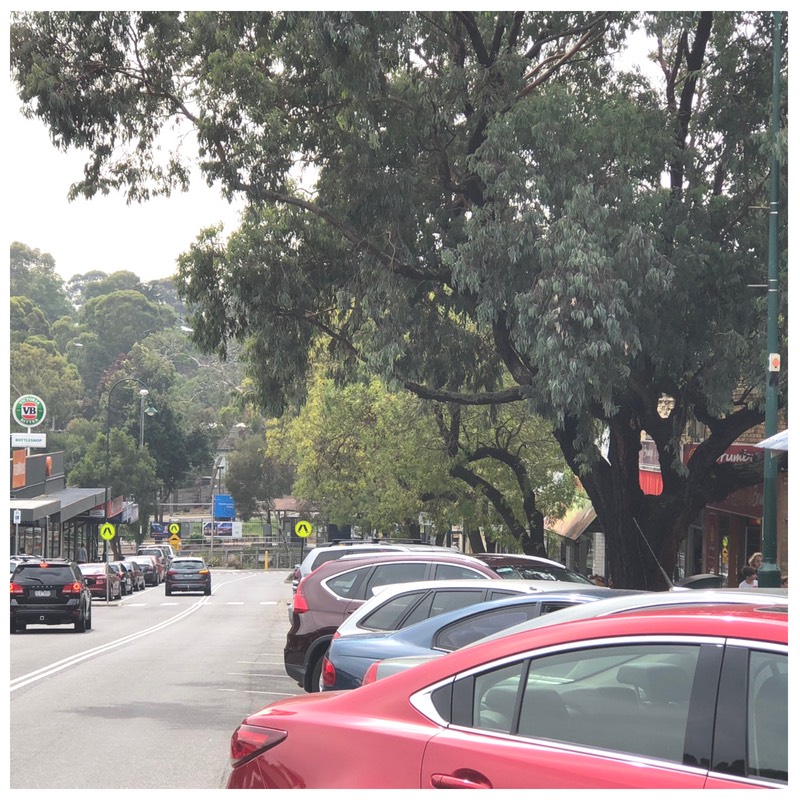
The leafy bit is real
Montmorency sits on the edge of Melbourne's green wedge, the planning line that has kept the surrounding bushland from being carved up. In practice that means big canopy trees, blocks that back onto reserves, and the Plenty River threading through it all. Streets curve with the hills rather than fighting them, and a lot of homes look out over gum trees rather than the neighbour's fence.
Monty by the numbers
A snapshot of the suburb
Property: CoreLogic via Your Investment Property, 12 months to April 2026. Demographics: ABS 2021 Census.
Who Monty suits
It is a family suburb first. Good primary and secondary schools, parks within walking distance and quiet streets make it an easy sell for people with kids. But it also draws downsizers who want to stay local, and commuters who will trade a longer trip to town for a bush setting and a station they can walk to. If you want nightlife on your doorstep, this is not that. If you want a walkable village, weekend trails and neighbours who know your name, it lands.
The property market
Montmorency is firmly a million-dollar suburb. The median house price sat at around $1.18 million over the year to April 2026, up about 2.6% on the year before and averaging close to 5% growth a year across the past five years. That is well above the Greater Melbourne house median of roughly $958,000 in mid-2026, broadly in line with neighbouring Eltham and above Greensborough. Units are the more affordable way in, with a median near $755,000, though that market is small and moves around from year to year.
For renters and investors, houses were letting at about $700 a week and units around $550, for gross yields near 3.2% and 3.8%. Well-presented homes did not hang around: the median time on market for houses was about 26 days, off roughly 100 house sales across the year. Like most of Melbourne through 2026 it has been a buyer-friendlier market than the frantic years before, so there is usually room to do your homework.
Who lives here
At the 2021 Census, Montmorency was home to about 9,250 people with a median age of 41, a settled profile rather than a suburb of renters passing through. Nearly half of families (46%) were couples with children, and the suburb is overwhelmingly owner-occupied: about 81% of households own outright or with a mortgage, and only around 17% rent. Incomes sit above the metro average, with a median household income of $2,076 a week against roughly $1,759 across Greater Melbourne, and close to 47% of working residents are professionals or managers. The community is largely Australian-born (81%), with English, Australian and Irish the most common ancestries.
The village at the centre
Almost everything social happens on Were Street, which climbs from the station up to the old windmill. It is mostly independents, with hardly a chain in sight, and the traders run a real arts streak, from footpath mosaics to live music and street events like Music in the Park through the year. You can do the coffee, the butcher, the chemist and the post office in one short loop, and still be home in ten minutes. See the full run of shops and services and where to eat and drink.
The commute, honestly
Montmorency station is on the Hurstbridge line, in Myki Zone 2, and the trip into the city takes around half an hour. The station was rebuilt in 2023, so it is step-free with parking, though the car park fills early on weekdays. By road the CBD is about 18 km, and you are a short drive from the bigger centres at Greensborough and Eltham. The full breakdown is on the getting around page.
Schools and families
Inside the 3094 postcode there are two government primary schools, a Catholic primary and a government secondary college, with more options a short drive away in Eltham and Greensborough. The secondary college runs on a zone, so if high school matters to your plans it is worth checking the catchment before you buy or rent. The full list is on the schools page.
The trade-offs
No suburb is all upside. Monty is hilly, so walking the shops with a pram or heavy bags is a workout, and you will want a car for a big weekly shop or anything the village does not carry. It is Zone 2, so fares and drive times are a touch longer than the inner north. And because the bush is genuinely close, the wildlife is too: expect cockatoos on the roof and, near the river in summer, the occasional tiger snake. For most people who move here, none of that outweighs the trees and the quiet.